Landlord’s Guide: How to Write a Pet-Friendly Lease Agreement
Your standard lease says “no pets.” That’s leaving money on the table. Here’s the pet-friendly upgrade you need.
DAILY LIFE
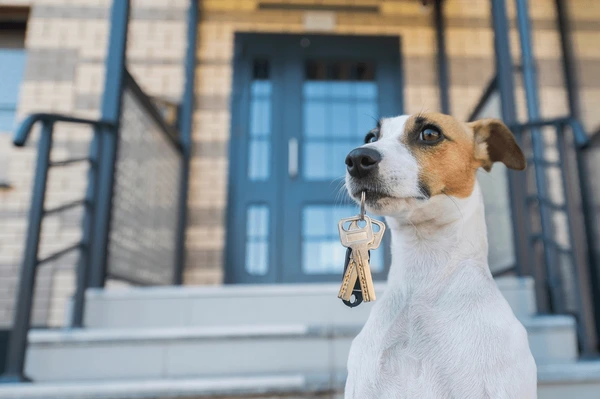
In the North American rental market, allowing pets is often a double-edged sword.
On one hand, tenants with pets tend to be more stable. They know how hard it is to find a rental that accepts animals—especially in competitive markets like Toronto, Vancouver, or Austin—so once they find a place, they usually want to stay. On the other hand, pets can bring extra wear and tear, noise complaints from neighbors, and the occasional chewed-up door frame or stained carpet.
I’ve been a landlord for nearly ten years, and I’ve had both good and bad experiences with pet-owning tenants. Looking back, most of the problems could have been avoided if the lease had been clearer from the start. If you’re considering allowing pets, here’s what your agreement should include.
A Pet Clause Is More Than One Sentence
A lot of leases handle pets with a single line: “Pets allowed” or “No pets.” That’s not nearly enough.
A solid pet addendum should cover at least the following:
Pet details
The lease should specify the type, breed, weight, and name of the pet. If it’s a dog, note the breed—this matters more than many landlords realize. Some insurance companies exclude certain breeds like pit bulls, Rottweilers, or Dobermans from liability coverage. I had a friend who found this out the hard way when his tenant’s dog bit a visitor; his insurance denied the claim because the breed was on the exclusion list. If your tenant has one of those breeds, you’ll want to check your policy first or require the tenant to carry renter’s insurance that covers liability.
Limit on number
“Pets allowed” shouldn’t mean “as many as you want.” I usually cap it at two and include a line that any additional pets require written approval. This also gives you a chance to review a new pet if the tenant decides to adopt another one mid-lease.
Extra deposit or fees
This is where a lot of confusion happens. Rules vary significantly across the U.S. and Canada. In Ontario, landlords can’t charge a separate pet deposit—it’s actually prohibited under the Residential Tenancies Act. In British Columbia and Alberta, you can charge a pet damage deposit on top of the standard security deposit. In the U.S., some states allow non-refundable pet fees, while others only permit refundable deposits. Check your local laws, and make sure the amount and terms are clearly stated in the lease. I personally charge a $150 pet deposit and make it clear in writing that it’s refundable if there’s no damage beyond normal wear and tear.
Liability Terms Need to Be Specific
If a pet causes damage or problems, who’s responsible? Your lease should spell it out in plain language:
The tenant is responsible for all property damage caused by their pet, including flooring, baseboards, window screens, doors, and landscaping. I once had a tenant whose dog scratched deep grooves into a solid oak door trying to get into a room—that was a $300 repair that came straight out of their deposit.
The tenant must clean up after their pet immediately in common areas and the yard. This is especially important if you’re renting a duplex or have shared outdoor space. Nothing annoys other tenants faster than stepping in something left behind.
If the pet causes noise complaints or shows aggressive behavior toward other tenants or visitors, the tenant must address the issue within a set timeframe. If they don’t, it’s considered a lease violation.
I’ve used a version of this clause for years: “Tenant agrees that their pet will not cause discomfort or harm to others. If the pet displays aggressive behavior or causes repeated disturbances, Landlord reserves the right to require the pet’s removal from the premises.” I’ve only had to enforce it once, but having it in writing made the conversation much simpler.
A Note on Emotional Support Animals
This is something every landlord in the U.S. and Canada needs to understand.
Emotional support animals (ESAs) are not considered pets under fair housing laws in most states and provinces. That means if a tenant provides valid ESA documentation, you can’t deny them based on a “no pets” policy, and you can’t charge pet deposits, pet rent, or non-refundable fees. I’ve had tenants try to pass off a poorly trained dog as an ESA with a letter from an online site that looked questionable. You can ask for a letter from a licensed healthcare provider who has an established relationship with the tenant—not just a certificate from a random website. I also include a line in the lease stating that the animal has been approved as an ESA with proper documentation on file.
Do a “Pet Walkthrough” Before Move-In
Once the paperwork is done, I always recommend one more step: meet the pet before move-in.
I schedule a brief walkthrough with the tenant and their animal—usually during the final inspection before handing over the keys. It takes ten minutes. You’ll get a sense of how the pet behaves: Is it calm or overly excited? Does the tenant have control over it? It’s also a good chance to casually talk about expectations: “How do you handle it when you’re at work all day?” or “Is the dog usually okay with new people coming to the door?”
This isn’t a legal requirement, but it helps you screen out irresponsible owners. In my experience, responsible pet owners are usually happy to do this—they understand why a landlord would want to know what’s moving in. Tenants who get defensive or refuse? That’s a red flag worth paying attention to.
Laws vary widely across the U.S. and Canada. The ideas above are a starting point based on my experience, but if you want a pet addendum that’s tailored to your state or province, a legal document service can generate one that fits your local rules.
© 2026 The Ledger. All rights reserved.